

Choosing a Laser Tattoo Removal Specialist
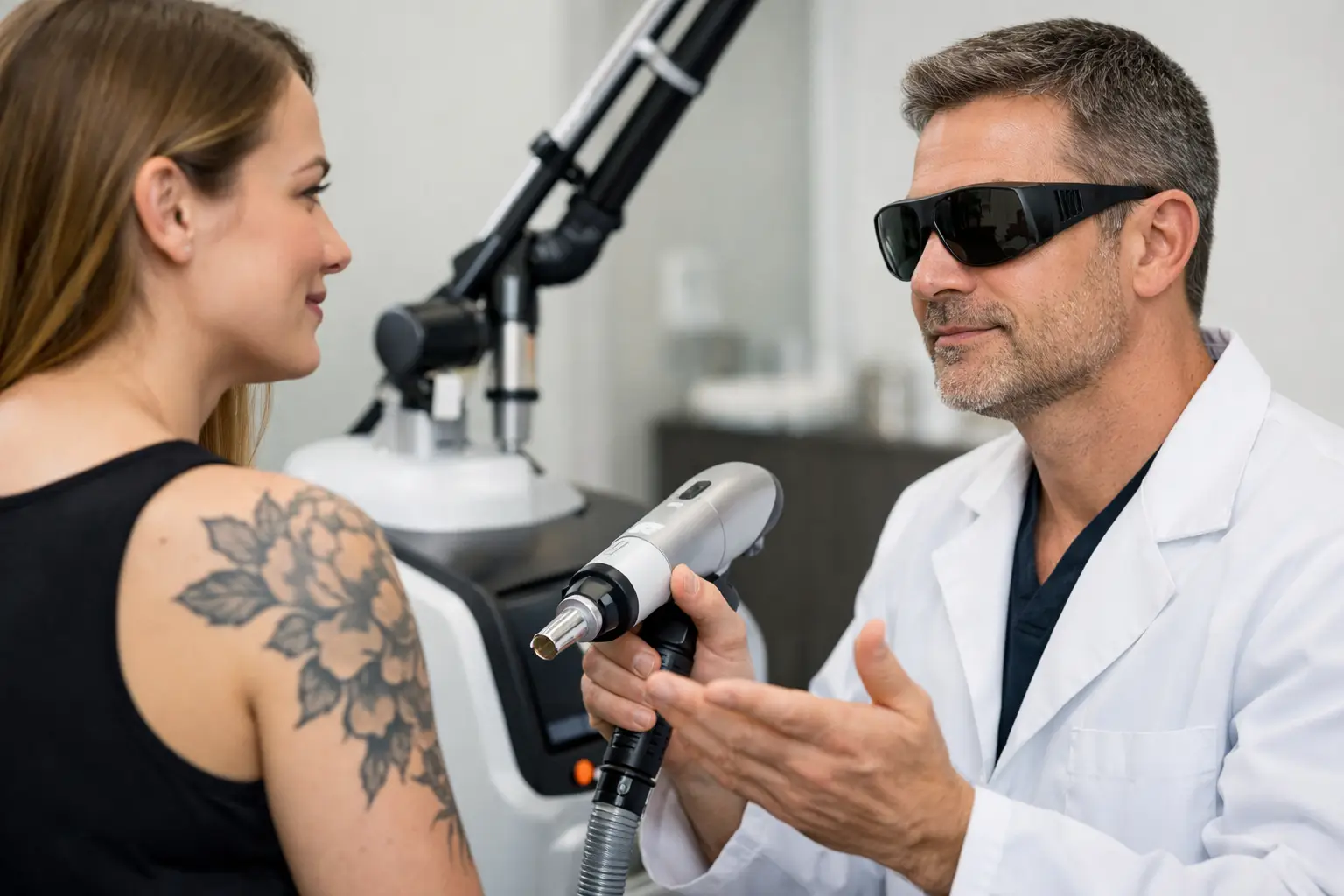
A poor tattoo can be frustrating. A poorly handled removal can be far harder to live with. That is why choosing a laser tattoo removal specialist matters far beyond buying a package based on price, speed or a bold promise of complete clearance. You are trusting someone with your skin integrity, your healing, your pigmentation response and, in many cases, your confidence.
Laser tattoo removal is often described as straightforward, but the reality is more technical. Ink depth, ink composition, skin tone, scarring history, immune response and the age of the tattoo all affect how the skin behaves during treatment. The specialist you choose should understand not only how to fire a laser, but how to assess risk, manage expectations and recognise when the skin needs a different pace or a different strategy.
What a laser tattoo removal specialist actually does
A true laser tattoo removal specialist is not simply operating equipment. They are assessing the tattoo, the surrounding skin and the wider treatment objective. For some clients, the goal is full removal. For others, it is enough fading to prepare for a cleaner cover-up. Those are two different treatment plans, and they should not be approached in the same way.
Specialist-level work begins with consultation. The practitioner should look at the location of the tattoo, the density of saturation, the presence of layered work, signs of blowout, previous removal attempts and any existing texture change in the skin. They should also ask about medical history, healing patterns, keloid or hypertrophic scarring, sun exposure and any tendency towards post-inflammatory hyperpigmentation or hypopigmentation.
That level of assessment matters because laser treatment is not only about breaking down pigment. It is about doing so while respecting the biology of the skin. In experienced hands, the treatment plan is adjusted around your skin rather than forced into a standard package.
Why specialist knowledge matters in laser tattoo removal
Not all tattoos respond in the same way, and not all skin tones tolerate the same settings equally. This is where specialist knowledge becomes the difference between safe progress and avoidable complications.
Black ink often responds more predictably than green, turquoise or certain reds. Amateur tattoos may clear faster than professional work, but they can also be unevenly placed. Cover-up tattoos are commonly heavier and more stubborn because of the concentration of pigment. Cosmetic tattoos introduce another layer of complexity, especially if pigments contain compounds that may shift shade before they fade.
Skin tone is equally important. A practitioner treating a broad range of Fitzpatrick skin types needs to understand the increased risk of pigment change in melanin-rich skin and how to adapt treatment intervals, energy settings and aftercare advice accordingly. The right specialist does not treat darker skin as an exception. They build treatment planning around it with confidence and precision.
This is particularly relevant in a clinic environment where skin restoration is already part of the wider treatment philosophy. A provider with experience in scar revision, pigmentation and advanced skin healing is often better placed to recognise when skin needs a slower, more considered approach.
What to look for in a laser tattoo removal specialist
Experience should be visible in the consultation, not just stated on a website. A credible practitioner explains why a tattoo may respond slowly, where results may be patchy at first and why complete clearance cannot always be guaranteed. If every answer sounds absolute, be cautious.
You should also expect clear discussion around the type of laser technology being used, why it is suitable for your skin and tattoo, and what the likely treatment journey looks like. That includes the number of sessions, likely healing intervals and possible short-term skin reactions such as frosting, redness, swelling and temporary darkening.
Before and after work should show more than ideal cases. A specialist clinic should be able to demonstrate outcomes across different tattoo styles, placements and skin tones. It is also worth asking how they manage clients who have previous scarring, previous failed removal, or need partial fading for future tattoo work.
Strong standards around patch testing, consent, aftercare and follow-up are another sign of quality. Good clinics are not casual about inflammation or healing. They understand that aftercare is part of the result.
Laser tattoo removal specialist or general aesthetics clinic?
This depends on the complexity of your case. A very small, lightly saturated black tattoo may be suitable in more general settings, provided the practitioner is properly trained and experienced. But once there are complicating factors – darker skin tones, cosmetic tattoo pigment, scar tissue, layered tattoos, large areas, cover-ups or a history of difficult healing – specialist care becomes much more important.
A general clinic may offer removal as one treatment among many. A specialist usually sees the nuances that others miss. They are more likely to understand when a tattoo is not lifting because of ink density rather than poor machine choice, or when skin needs a longer recovery window rather than another aggressive session.
That distinction matters because over-treatment can create lasting problems. Faster is not always better in laser work. Skin that is pushed too hard may respond with textural change, prolonged inflammation or pigment disruption, especially in clients already prone to sensitivity.
The consultation: what should happen
A proper consultation should feel measured, informed and honest. The specialist should assess the tattoo in person where possible, or at minimum request clear photographs before estimating anything meaningful. They should talk you through likely session spacing, not just treatment count.
You should also be told what can affect your outcome between sessions. Immune health, smoking, sun exposure and aftercare compliance can all influence how efficiently the body clears fragmented pigment. This is one reason treatment timelines vary so widely. Two clients with similar tattoos may not progress at the same rate.
If your aim is a cover-up, the consultation should reflect that. Fading for a rework tattoo often requires a different endpoint than full removal, and an experienced laser tattoo removal specialist will understand how much lift is needed to give the tattoo artist better options without unnecessarily stressing the skin.
Realistic results versus marketing promises
The strongest clinics do not sell certainty where none exists. Laser tattoo removal is highly effective, but outcomes are variable. Some tattoos clear extremely well. Others leave a ghost image, residual pigment or subtle textural memory in the skin. That does not mean the treatment has failed. It means the body, the ink and the treatment history all play a role.
This is particularly true where there has been previous trauma to the area, whether from heavy-handed tattooing, prior removal attempts or existing scar tissue. In these cases, a specialist’s judgement is critical. They need to recognise what is removable pigment and what is underlying structural change.
At Ink Illusions, that wider understanding of skin response sits at the heart of advanced corrective work. For clients dealing with visible skin concerns, technical skill only matters if it is paired with respect for healing and long-term appearance.
Why aftercare is part of specialist treatment
A laser session does not end when you leave the clinic. Immediate aftercare affects inflammation, comfort and recovery quality. Long-term aftercare affects how well the skin remains stable between sessions.
A specialist should give precise advice on cooling, dressing if needed, avoiding friction, managing exercise, protecting the area from UV exposure and recognising signs that require review. They should also advise against picking, unnecessary product use or returning to treatment too early.
This may sound basic, but it is one of the most common points where outcomes are compromised. Good removal work is a partnership between practitioner and client. The laser breaks down the ink. Your body does the clearing.
For practitioners, specialist standards matter too
For professionals looking to add removal to their clinic, the same principle applies. Training in laser tattoo removal should go beyond device operation. It needs to cover consultation, contraindications, skin assessment, pigment behaviour, wound response and ethical treatment planning.
This is especially important for practitioners already working in PMU, SMP, tattooing or advanced aesthetics. Clients increasingly expect joined-up expertise. If you are offering removal, they need confidence that you understand both the technical and corrective side of the work.
A specialist standard protects results, reputation and client safety. In a sector where poor treatment decisions can leave visible long-term consequences, that standard is not optional.
Choosing the right laser tattoo removal specialist is really about choosing the right judgement. Technology matters, but experience, skin knowledge and honest treatment planning matter more. When the goal is clearer skin, better tattoo outcomes and confidence restored properly, expertise is the part you should never compromise on.
