

What Medical Cosmetic Tattooing Can Fix
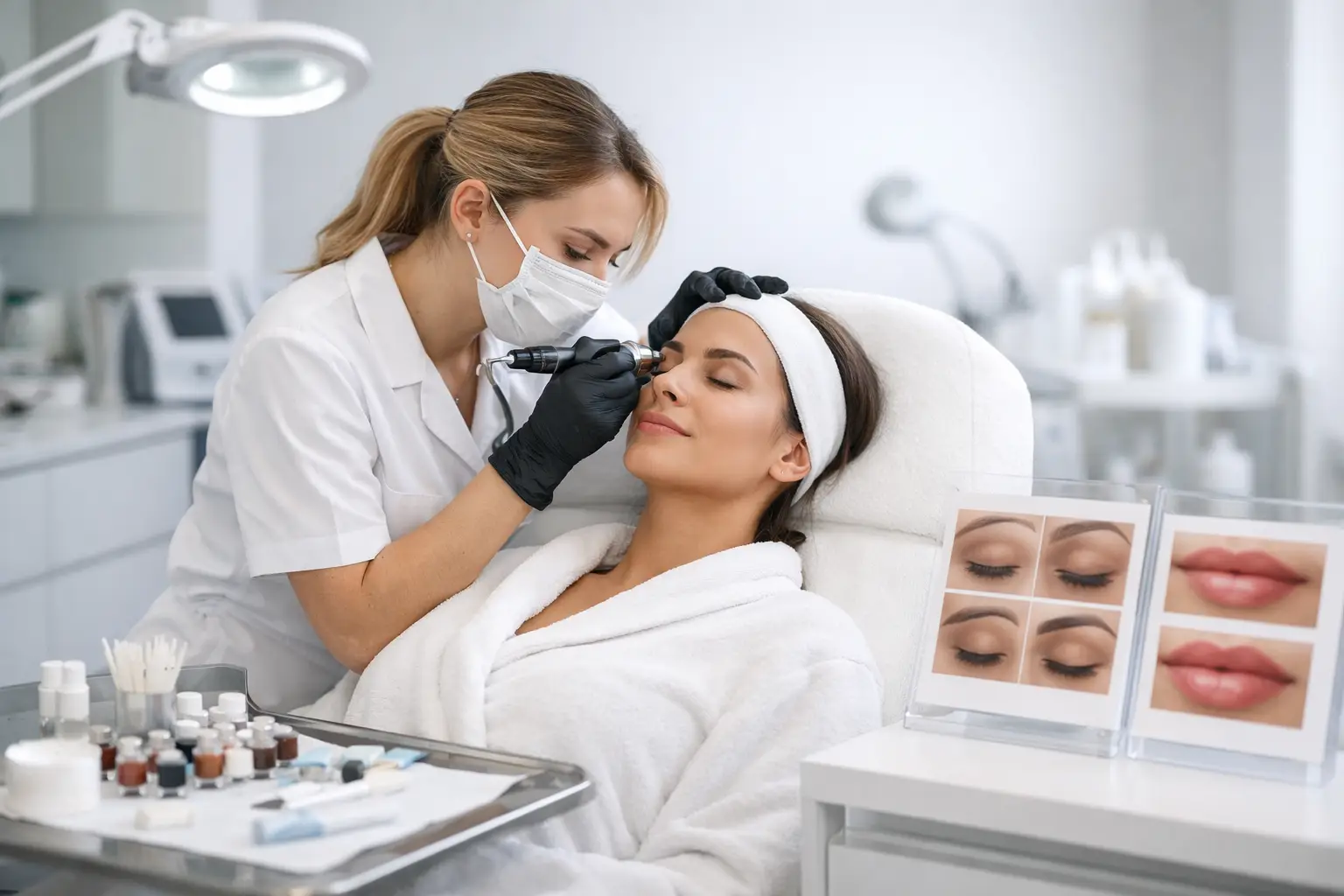
A scar can heal flat and pale yet still pull your attention every time you look in the mirror. Stretch marks can fade but remain visibly different in texture and tone. Hair loss, burns, surgery and pigment loss can all leave marks that feel far bigger than the area itself. This is where medical cosmetic tattooing becomes more than a beauty treatment. In the right hands, it is a specialist form of skin restoration designed to reduce contrast, improve visual harmony and help people feel more like themselves again.
The term covers a group of advanced procedures that use tattooing principles, skin needling and pigment knowledge to address visible skin concerns. That can include scar camouflage, stretch mark camouflage, areola reconstruction, scalp micropigmentation and skin tone restoration for areas affected by trauma or pigment irregularity. It is highly technical work. Results depend on skin healing, colour science, treatment planning and a practitioner who understands the difference between decorative tattooing and true paramedical correction.
What medical cosmetic tattooing actually involves
Medical cosmetic tattooing is not one single treatment. It is an umbrella term for procedures that improve the appearance of skin changes caused by surgery, injury, burns, self-harm scarring, childbirth, weight fluctuation, hair loss or pigment disruption. Some treatments place carefully matched pigment into the skin to reduce the visual contrast between affected and surrounding tissue. Others use methods such as inkless needling to stimulate repair and improve texture before any camouflage work is considered.
That distinction matters. Not every scar should be tattooed straight away, and not every stretch mark is suitable for pigment implantation. In many cases, the best results come from a phased approach. Texture may need to improve before colour can be addressed. A raised or unstable scar may need more time or another modality first. An ethical specialist will assess the skin rather than forcing every concern into the same treatment plan.
The concerns medical cosmetic tattooing can treat
One of the biggest misconceptions is that these treatments are only about covering something up. In practice, they are about reducing what stands out.
Scar camouflage is often used for surgical scars, injury scars, burns and healed self-harm scarring where the skin is stable and the area is no longer actively changing. The goal is not to erase a scar. The goal is to soften the contrast between the scar and the surrounding skin so it becomes less noticeable at a normal viewing distance.
Stretch mark camouflage works in a similar way, but stretch marks bring an extra challenge because they often involve both tone difference and textural change. This is why advanced practitioners may combine Brazilian-inspired camouflage methods with broader skin repair protocols. The treatment has to respect depth, density, undertone and how the area behaves as it heals.
Areola reconstruction is another important branch of medical cosmetic tattooing. For people who have had breast surgery, this work can restore a natural-looking areola shape and colour, helping to rebuild a sense of normality after a major physical and emotional experience.
Scalp micropigmentation sits at the intersection of cosmetic and medical restoration. It can create the appearance of density for thinning hair or redefine a hairline after hair loss, scarring or certain medical conditions. Again, the artistry matters, but so does the clinical judgement.
Why specialist assessment matters
Two scars can look similar in a photograph and behave completely differently in treatment. One may hold pigment well. Another may reject it, heal unpredictably or show textural issues that camouflage cannot solve on its own. This is why consultation is not a formality. It is the foundation of safe and realistic outcomes.
A proper assessment should look at how old the scar or stretch marks are, whether the skin is flat or raised, if there is any redness left, how the skin tone changes across the area and whether there is any underlying sensitivity. On darker skin tones especially, pigment selection and trauma control need even greater precision. Poor technique can create a more obvious mismatch rather than a better blend.
This is where a specialist clinic stands apart from a general PMU setting. Medical cosmetic tattooing requires a deeper understanding of healed tissue, inflammatory response, contraindications and colour adaptation over time. It also demands honesty. Sometimes the right answer is to wait, prepare the skin first or choose another treatment route.
Pigment is only part of the picture
People often assume the treatment is simply about finding the right colour. Colour matching is central, but it is not enough on its own. Skin has undertones, translucency and variation. Scar tissue behaves differently from intact skin, which means the same pigment can heal differently in adjacent areas.
A skilled practitioner is reading far more than surface colour. They are looking at opacity, warmth, coolness, saturation and how much visual interruption the area creates. They also know that healed results matter more than fresh results. What looks perfect immediately after treatment is not the final outcome.
Texture is another major factor. Pigment can reduce contrast, but it cannot fully disguise an uneven surface. That is why techniques such as MCA inkless needling and other skin repair treatments are so valuable within a broader restoration plan. Improving the quality of the skin can make camouflage more effective and, in some cases, reduce the need for pigment altogether.
Who benefits most from medical cosmetic tattooing
The strongest candidates are usually people with healed, stable skin concerns who want discreet correction rather than dramatic alteration. They may be recovering from surgery, coping with long-term stretch marks, adjusting after childbirth, managing visible pigment loss or wanting to reduce the daily impact of a scar they have lived with for years.
For many clients, the emotional value sits in very ordinary moments. Wearing certain clothes without thinking about a scar. Going swimming without feeling exposed. Looking at an area that once felt unfinished and seeing something more balanced. That is why these procedures have such a strong confidence-restoring role when they are done properly.
The field also matters to practitioners who want to move beyond standard beauty services. Medical cosmetic tattooing is a serious progression area for PMU artists, tattooists, SMP practitioners and aesthetics professionals, but it is not one to enter casually. Working on compromised or traumatised skin requires regulated education, treatment judgement and a method that has been tested in real clinic settings.
What to expect from treatment and healing
Most procedures in this area require more than one session. The first appointment often establishes how the skin responds, how the pigment heals and how much additional blending is appropriate. Expect refinement rather than instant perfection.
Healing varies by treatment and by area. Some clients experience mild redness, sensitivity or temporary darkening before the result settles. Camouflage work also needs time to reveal its true healed colour. This is one reason results should never be judged too early.
There are limits, and clients deserve to hear them clearly. Not every mark can be fully blended. Some areas improve significantly but remain visible on close inspection. Some skin types need a conservative approach to avoid overworking the tissue. The best outcomes come from realistic expectations, careful technique and aftercare that protects the skin while it heals.
Why this field is growing
Demand is rising because more people know these treatments exist, but also because standards are improving. Clients are becoming more selective. They are not looking for generic cover-up work. They are looking for someone who understands scar maturation, stretch mark behaviour, pigment theory across all skin tones and the difference between a quick cosmetic fix and genuine skin restoration.
That has pushed the industry towards more specialised methods and better education. Clinics leading this space are drawing on international treatment approaches, refining protocols and teaching practitioners how to work safely and consistently. Ink Illusions has helped shape that shift by bringing advanced stretch mark camouflage techniques into the UK and combining them with broader paramedical expertise and skin repair methods.
The result is a better standard of care for clients and a more credible pathway for professionals who want to train in this field properly.
Medical cosmetic tattooing is not vanity
For some people, this work is about appearance. There is nothing trivial about that. How we feel in our skin affects confidence, intimacy, clothing choices, work and everyday ease. But for many clients, it goes deeper than appearance alone. A visible scar can carry the memory of an accident, a difficult birth, surgery or a period of mental distress. Restoring the area does not erase the experience, but it can change the relationship a person has with it.
That is why the best medical cosmetic tattooing is both technical and personal. It respects the biology of the skin and the reality of what the client has lived through. If you are considering treatment, look for a specialist who prioritises assessment, works across different skin concerns and can explain not only what is possible, but what is appropriate. The right treatment should make the area feel less like something you have to manage, and more like skin you can live comfortably in again.
