

Scar Camouflage Tattoo Price Explained
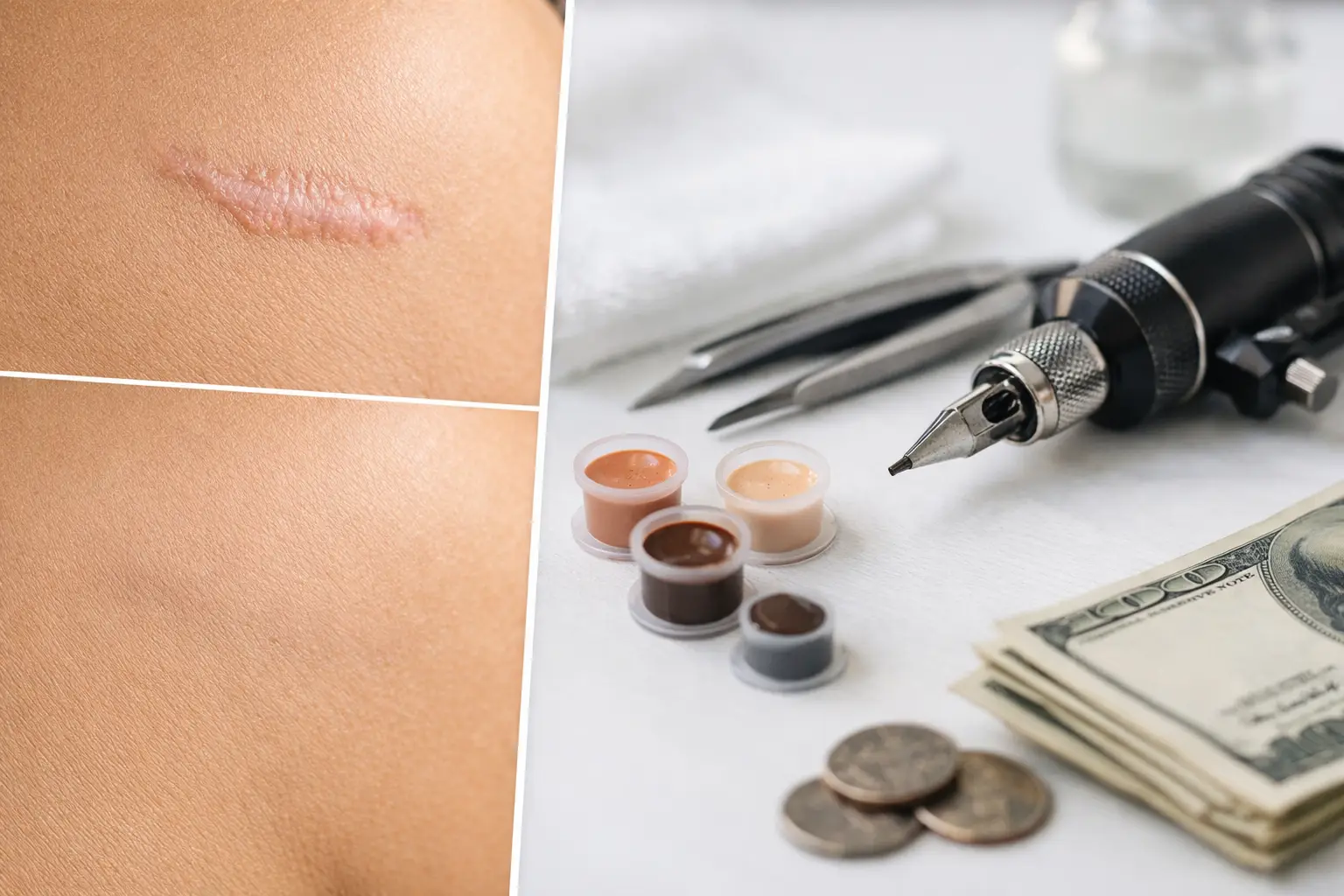
One of the first questions clients ask is about scar camouflage tattoo price, but the honest answer is rarely a single fixed figure. A small, flat, pale scar that has healed well will be assessed very differently from a large surgical scar, a textured self-harm scar, or an area with uneven pigment loss. In specialist paramedical tattooing, price reflects far more than treatment time. It reflects suitability, skin behaviour, pigment matching, technical difficulty, and the level of expertise needed to create a result that looks believable rather than obvious.
That distinction matters. Scar camouflage is not decorative tattooing with a skin-tone pigment. It is a specialist corrective treatment designed to reduce contrast between scar tissue and the surrounding skin. When done properly, it can restore normality and confidence. When done badly, it can leave an area looking patchy, flat, or more noticeable than before. That is why understanding cost starts with understanding what you are actually paying for.
What affects scar camouflage tattoo price?
The biggest factor is the scar itself. Size plays a part, but it is not the only issue. A narrow C-section scar may be quicker to treat than a broader area of stretch marks or a burn scar, yet complexity can still push the price higher if the tissue is uneven, shiny, or difficult to implant. Scar age also matters. Fresh scars are not suitable for camouflage. In most cases, the skin must be fully healed, settled, and medically stable before treatment is considered.
The second factor is whether camouflage is the right treatment at all. Some scars need preparation before pigment can be implanted successfully. If the tissue is raised, indented, fibrotic, or lacking flexibility, a practitioner may recommend scar revision work first, such as needling-based skin stimulation or other restorative treatments. That can change the overall investment because the best result often comes from improving the scar before attempting colour correction.
Skin tone matching is another major pricing factor. Matching pigment to the surrounding skin is both a technical and artistic skill, especially across diverse skin tones or areas where colour shifts through the year. The goal is not simply to choose a beige pigment and fill the scar. The practitioner must consider undertone, depth, scar opacity, and how the skin is likely to heal. This level of customisation is one reason specialist clinics charge more than general PMU providers.
Location on the body can also influence price. Scars on mobile areas, such as joints, the abdomen, or areas subject to friction, can be less predictable in healing and may require more careful planning. Facial scar work can also command higher pricing because the margin for error is smaller and the colour matching must be especially refined.
Why prices vary so much between clinics
If you compare providers, you will notice a wide gap in scar camouflage tattoo price. That is not unusual. This is a treatment category where training, case experience, and treatment methodology make a real difference.
Some practitioners offer camouflage after a short beauty-based course. Others work within advanced paramedical practice, with deeper training in scar assessment, skin trauma, pigment behaviour, and skin restoration protocols. Those two services may look similar on paper, but they are not the same standard of work.
Higher pricing often reflects better consultation, stronger case selection, more precise pigment formulation, and a safer approach to difficult skin. It can also reflect access to integrated treatment options. A specialist clinic may decide that immediate camouflage is not in your best interests and instead prepare the tissue first to improve the final outcome. That is a more expert approach, even if it means a longer journey.
This is where clients need to be careful. The cheapest quote is not automatically the best value. In scar work, poor technique can create a flat block of colour, incorrect undertones, migration, or pigment that heals too warm, too cool, or too visible. Correcting that can be more expensive than doing it properly from the start.
What is usually included in the cost?
Most specialist clinics price treatment either per session or by area, depending on the scar pattern and treatment plan. A consultation may be charged separately or deducted from treatment if you go ahead. That consultation should include scar assessment, suitability checks, discussion of medical history, realistic outcome planning, and advice on how many sessions may be needed.
In many cases, the quoted scar camouflage tattoo price covers the procedure itself, custom pigment matching, and aftercare guidance. Some clinics include a review appointment, while others price follow-up sessions separately. It is worth asking this directly, because camouflage nearly always requires more than one appointment for best refinement.
You should also clarify whether the quote includes any pre-treatment work if the scar is not yet ready for pigment. If the tissue needs revision, resurfacing support, or inkless needling before camouflage, that may be priced as a separate treatment stage rather than rolled into one package.
How many sessions are usually needed?
This is one of the main reasons cost cannot be reduced to a simple headline number. Very few scars achieve their best result in one session. Most clients need at least two appointments, sometimes more, depending on the scar quality, the area being treated, and how the skin holds pigment.
Scar tissue behaves differently from normal skin. Some areas take colour well, while others heal more lightly and need gradual layering. A responsible practitioner will usually work conservatively rather than overloading the tissue. That can mean a more staged process, but it tends to produce a softer, more realistic finish.
If a clinic promises a perfect one-session result for every scar, that should raise questions. In real practice, outcomes depend on healing response, scar maturity, depth of contrast, and whether texture is also part of the concern. Good scar camouflage is often built progressively.
Average pricing expectations in the UK
There is no single national tariff, but UK clients can expect specialist scar camouflage to sit in a premium treatment bracket rather than a standard beauty service bracket. Smaller scars may be priced from the low hundreds per session, while larger or more complex areas can move significantly higher. Multiple sessions should always be factored into the total investment.
For example, a straightforward surgical scar with favourable healed tissue may cost much less overall than extensive stretch mark camouflage, self-harm scarring across a larger area, or scars requiring preparatory revision work. London and highly specialised clinics may also sit at the upper end of the market, particularly where the practitioner has a strong reputation in paramedical work.
That does not mean higher is always better, but very low pricing in this field usually means something is being stripped out – experience, assessment time, treatment planning, or product quality.
When a higher scar camouflage tattoo price is worth it
A higher price is justified when the practitioner has genuine expertise in scar and skin revision, not just tattoo application. You are paying for assessment accuracy, advanced colour theory, safe technique, and the judgement to know when not to treat.
It is also worth paying more when a clinic can work confidently across different scar types and skin tones. This is especially important in melanin-rich skin, where incorrect trauma, poor pigment selection, or weak aftercare advice can lead to disappointing results. Inclusive expertise is not a bonus in paramedical tattooing. It is part of competent practice.
Clinics with a strong foundation in specialist scar treatments often achieve better outcomes because they do not treat camouflage as a standalone fix. They understand texture, scar remodelling, pigment stability, and the long-term behaviour of restored skin. That level of knowledge can make the difference between temporary improvement and a result that settles naturally.
Questions to ask before you agree to treatment
Price should never be the only screening tool. Ask whether your scar is actually suitable for camouflage now, how many sessions are likely, what the practitioner expects the scar to look like after healing, and whether they have experience with your scar type and skin tone. You should also ask what happens if the scar needs revision before tattooing.
A strong practitioner will not promise invisibility. The aim is improvement, not perfection. The most trustworthy consultations are often the ones that explain limitations clearly. Some scars can be softened dramatically. Others may only achieve partial blending. Honest treatment planning is a sign of expertise, not hesitation.
For clients seeking specialist corrective work, clinics such as Ink Illusions have helped set a higher standard by combining scar revision knowledge with advanced camouflage techniques rather than treating the two as separate worlds. That integrated approach is often what clients are really paying for.
Scar camouflage is a confidence-restoring treatment, but the right question is not simply what it costs. It is whether the plan, practitioner, and expected result justify the investment for your skin.
