

Paramedical Tattoo Training UK: What Matters
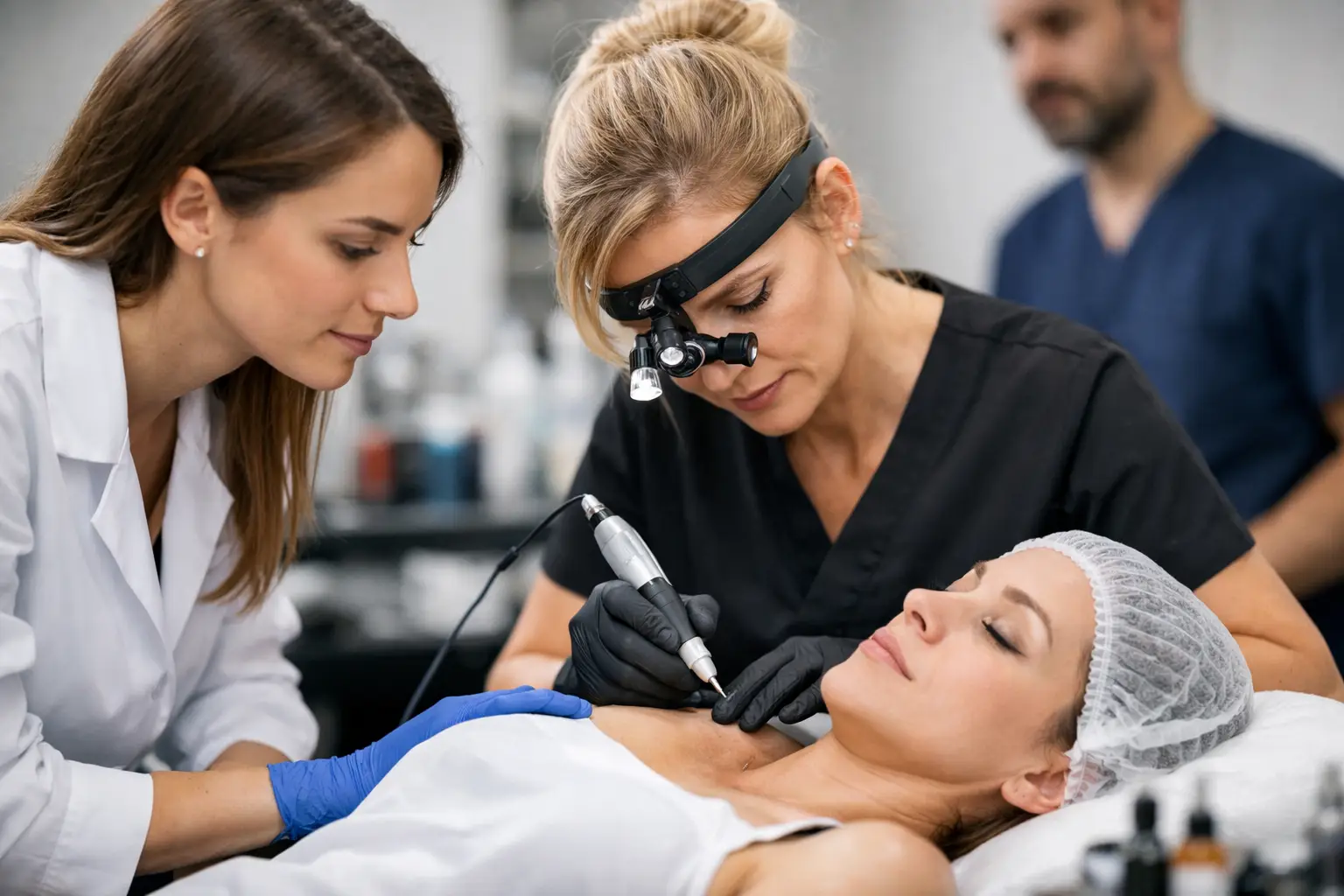
Not all paramedical tattoo training UK courses are teaching the same level of work. That matters because this field sits far beyond standard cosmetic tattooing. You are not simply placing pigment. You are working with scar tissue, disrupted skin structure, altered undertones, post-surgical areas, and clients whose confidence may have been affected for years.
For practitioners, the appeal is obvious. Demand is growing for scar camouflage, stretch mark revision, areola restoration, scalp work, and skin tone correction. For clients, the stakes are personal. They are often looking for a specialist service that feels safe, informed, and genuinely transformative. The quality of training shapes both outcomes.
What paramedical tattoo training in the UK should actually cover
A credible programme should teach more than technique videos and a pigment kit. Paramedical work requires a strong understanding of skin healing, trauma-informed consultation, contraindications, colour theory across different skin tones, and realistic treatment planning.
Scar tissue is one of the clearest examples. Mature scars can respond well to camouflage or needling-based revision methods, but not every scar is ready, and not every scar should be treated in the same way. Hypertrophic scarring, keloid tendency, vascularity, texture, and depth all affect suitability. A practitioner who has only learned surface-level implantation can quickly run into poor retention, visible mismatch, or further aggravation of the area.
The same applies to stretch mark camouflage. This treatment has become more visible in the UK, but technique quality varies widely. Effective training should address skin assessment, white versus pink striae, body site differences, blending strategy, machine control, trauma limits, and aftercare that supports skin recovery rather than excessive irritation. If a course presents stretch mark camouflage as a one-method-fits-all service, that is a warning sign.
The difference between beginner-friendly and clinically serious training
Some courses market themselves as suitable for complete beginners. That is not automatically a problem, but it does change what you should expect. A true beginner may need stronger foundations in hygiene, machine theory, skin anatomy, patch testing, record keeping, and consultation skills before progressing into advanced restorative work.
For an existing PMU artist, tattooist, SMP practitioner, or aesthetics professional, training should go further. You should expect case planning, treatment limitations, correction work, Fitzpatrick considerations, healed-result analysis, and support around integrating the service into practice responsibly.
This is where many practitioners make the wrong comparison. They compare course length or price without comparing depth. A short course can give you exposure. It cannot always give you judgement. In paramedical tattooing, judgement is one of the most valuable skills you can develop.
Why hands-on practice matters in paramedical tattoo training UK
Hands-on learning is not optional in this sector. Watching demonstrations may help you understand machine movement and pigment placement, but live model work is where technical confidence starts to form.
Working on real skin under supervision teaches you far more than theory manuals ever will. You begin to see how scar tissue grips pigment differently, how blending changes on warm or cool undertones, and how pressure must adapt when the skin is fragile or irregular. You also learn how to speak to clients properly, especially when they arrive feeling exposed, anxious, or sceptical after previous unsuccessful treatments.
The best training environments do not rush this stage. They allow time for observation, supervised execution, and honest feedback. If every case study shown looks ideal and every treatment is presented as straightforward, the education may be too polished to reflect real practice.
Accreditation, regulation, and what they really tell you
In the UK, accreditation and regulated learning matter, but they should not be treated as the only marker of quality. A certificate looks reassuring. It does not automatically mean the course content is clinically strong, current, or taught by a practitioner with extensive case experience.
That said, formal recognition still has value. CPD and OFQUAL-regulated pathways can indicate structure, accountability, and clearer educational standards. They can also help practitioners demonstrate credibility when adding advanced services to their clinic menu.
What matters most is the combination. Strong paramedical tattoo training in the UK should sit at the intersection of recognised education, proven treatment experience, and realistic teaching. You want a trainer who does the work at a high level, not one who has stepped away from treatment rooms entirely.
Choosing a provider: what serious practitioners look for
A good training provider should be able to show a clear treatment specialism, not broad claims with limited depth. In paramedical tattooing, outcomes are built on experience with complex skin conditions and varied presentations.
Look closely at whether the provider teaches healed results rather than just fresh work. Fresh scar camouflage often looks promising. The real test is how it settles after healing, how the blend holds over time, and whether the treatment plan included realistic expectations from the start.
It is also worth looking at the range of cases covered in training material. Does the provider demonstrate work across multiple skin tones? Do they teach scar revision alongside camouflage, or only one side of the process? Are they experienced in post-surgical care areas such as areola restoration or self-harm scarring, where consultation needs to be handled with sensitivity and precision?
Practitioners should also ask what happens after the course. Ongoing mentoring, product guidance, case review, and access to advanced masterclasses can make a meaningful difference once you start treating independently.
The business opportunity is real, but only if the standard is high
There is strong commercial potential in this field. Clients are actively seeking specialist clinics that can treat concerns often ignored by mainstream beauty settings. Scar camouflage, stretch mark revision, and areola work are premium services because they require specialist skill, careful consultation, and tailored treatment plans.
But this is not an area where adding a treatment to your menu is enough. Reputation builds slowly and can be damaged quickly. If you are offering paramedical services without a strong protocol for suitability checks, consent, patch testing, photography, and aftercare, the risk is not just poor retention. It is loss of trust.
Done properly, paramedical services can elevate a clinic. They attract clients looking for expertise rather than trend-led treatments. They also create a different kind of referral network, one based on visible change and emotional impact. That is one reason serious practitioners are investing in better education rather than chasing the cheapest entry point.
Why technique integration matters
The UK market has matured. Clients and practitioners alike are more informed, and expectations are higher. The strongest educators are not relying on one isolated method. They are integrating proven approaches from different markets, adapting them to British client needs, skin diversity, compliance standards, and realistic healing expectations.
This is especially relevant in stretch mark and scar work, where Brazilian techniques, medical camouflage principles, PMU colour knowledge, and skin revision methods may all play a part. No single technique solves every case. Good training teaches when to use a method, when to combine methods, and when to say no treatment is the better decision.
That level of honesty is often what separates premium education from mass-market courses. It is easy to sell aspiration. It is harder, and far more valuable, to teach discernment.
Who paramedical tattoo training UK is right for
This training suits practitioners who already value detail, consultation quality, and long-term results. PMU artists often move into this space because they already understand pigment behaviour. Tattooists may have strong machine control and adapt well with the right skin and colour education. SMP professionals can bring precision and pattern awareness. Aesthetics practitioners may have a strong understanding of skin and healing.
The common thread is not job title. It is mindset. Paramedical work suits people who are prepared to assess carefully, work conservatively, and continue refining their judgement after the certificate is issued.
For providers such as Ink Illusions, the training standard matters because the industry standard matters. The growth of this sector is a positive shift, but only if practitioners are being taught to treat restorative work with the seriousness it deserves.
If you are comparing paramedical tattoo training UK options, look past the marketing language and examine the substance. Ask how the provider teaches complex skin, healed outcomes, realistic limitations, and true client care. The right course will not simply help you add a service. It will shape the kind of practitioner clients feel safe trusting with some of their most personal concerns.
The best training leaves you with more than a qualification. It gives you a framework for doing meaningful work well.
