

How Laser Tattoo Removal Sessions Work Safely
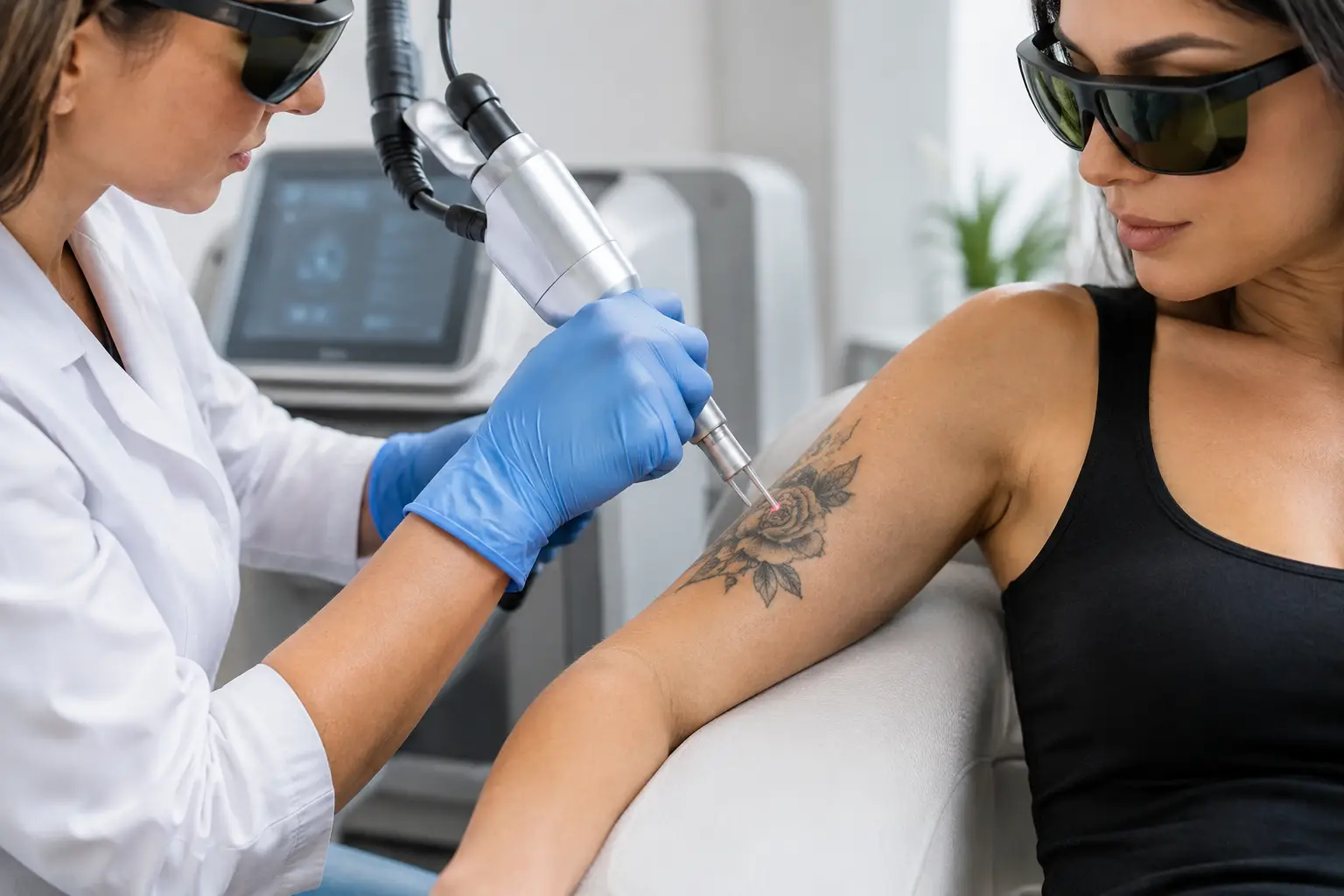
A tattoo can carry a history you no longer want visible, but removal is not a one-appointment switch-off. Understanding how laser tattoo removal sessions work helps you make a confident, realistic decision about the process, the healing period and the result you may achieve. At a specialist clinic, treatment is planned around your tattoo, your skin and your safety – not a one-size-fits-all setting.
It starts with a detailed tattoo and skin assessment
Before the first laser pulse, a practitioner should assess the tattoo closely. This includes its location, size, age, colour range, density of ink, whether it was applied professionally or amateurly, and whether it has been treated before. The condition of the surrounding skin matters too, particularly if there is scarring, sensitivity, a history of pigmentation changes or an existing skin concern.
Your natural skin tone is a major consideration. Laser tattoo removal works by targeting tattoo pigment, but the skin also contains pigment. Selecting the appropriate wavelength, energy and treatment approach is essential to reduce unnecessary stress on the surrounding tissue. This is particularly relevant for darker skin tones and for clients prone to post-inflammatory hyperpigmentation or hypopigmentation.
A reputable consultation should also cover medical history, medication, allergies, previous reactions to laser or tattooing, sun exposure and your treatment goals. Some people want complete removal; others are creating a clearer area for a cover-up tattoo. These are different treatment objectives, and they can affect the number of sessions required.
What happens during a laser tattoo removal session?
The laser does not pull ink out of the skin. Instead, it delivers very short bursts of focused light energy into the tattoo pigment. Different colours absorb different wavelengths of light, which is why a specialist device and practitioner knowledge matter. Dark inks, particularly black and dark blue, often respond well because they absorb laser energy effectively. Green, turquoise, yellow, white and certain resistant cosmetic inks can be more complex.
When the pigment absorbs that energy, it heats rapidly and breaks into smaller particles. Your immune system then does the longer-term work. Cells within the body identify and gradually clear many of these fragmented ink particles through the lymphatic system over the weeks following treatment.
The appointment itself is usually relatively quick once preparation is complete. The area is cleansed, photographs may be taken to monitor progress, and protective eyewear is worn by everyone in the treatment room. Cooling may be used before, during or after treatment to improve comfort and protect the skin.
Clients often describe the sensation as a sharp elastic-band flick or bursts of heat. Pain tolerance, tattoo placement and treatment intensity all influence how it feels. Areas with thinner skin or less natural padding, such as hands, feet, ribs and ankles, can be more sensitive. A suitable numbing option may be discussed during consultation, but it should be used only when clinically appropriate and as directed.
The immediate skin response is expected
A temporary whitening or frosting effect can appear within seconds of a laser pass. This is caused by rapid changes within the skin and pigment, not by the tattoo disappearing instantly. Redness, warmth, swelling and pinpoint bleeding can also occur, especially with dense or professionally applied tattoos.
Blistering and small scabs are possible parts of normal healing. They must not be picked, scratched or deliberately burst. Trauma to healing skin increases the chance of infection, prolonged redness and unwanted textural or pigment changes.
Why tattoo removal needs multiple sessions
Each session can fragment a portion of the ink, but laser treatment must be spaced to allow the skin to recover and the body to clear disrupted pigment. Treating too frequently does not force faster removal. It can create unnecessary inflammation and raise the risk of adverse skin responses.
Most treatment plans allow several weeks between appointments. The exact interval depends on the tattoo, the response to the previous session, your skin type and the practitioner’s assessment. A client with a well-healed response may follow a different schedule from someone who has experienced prolonged irritation, pigment change or a slower clearance pattern.
The total number of sessions varies widely. An older, faded black amateur tattoo may lighten more quickly than a newer professional piece with saturated layers of colour. Cover-up tattoos are often especially dense because they contain multiple layers of ink. Tattoos on areas with stronger circulation may also clear differently from tattoos on fingers, feet or lower legs.
No ethical practitioner should promise a fixed number of sessions or guarantee total removal at consultation. The goal is to provide a transparent treatment plan, then assess visible response session by session. Progress can be significant, but biology, ink chemistry and tattoo technique all influence the final outcome.
Factors that affect the result
Laser tattoo removal is highly individual. A few factors consistently shape the pace and degree of fading:
- Ink colour and formulation: Black is often the most responsive. Some bright colours and metallic or light pigments can be resistant, unpredictable or require different wavelengths.
- Ink depth and saturation: Professional tattoos tend to place a larger volume of ink more consistently into the dermis, while amateur tattoos may be shallower and less dense.
- Tattoo age and previous fading: Older tattoos may have already lost some pigment naturally, though age alone does not guarantee easier removal.
- Placement and circulation: The body clears fragmented pigment gradually, so location can influence response.
- Skin healing and aftercare: Protecting the area from friction, infection and UV exposure supports safer recovery between sessions.
Cosmetic tattooing and permanent make-up require particular caution. Certain pigments can darken immediately after laser exposure due to chemical changes in their ingredients. Emergency PMU removal and cosmetic tattoo removal should be approached by practitioners who understand pigment behaviour, rather than treated as a standard body-art tattoo.
Aftercare between laser sessions
Aftercare begins the moment treatment ends. Your practitioner will provide specific instructions based on the treated site and your skin response, but the core purpose is always the same: keep the area clean, protected and undisturbed while it heals.
Avoid heat, heavy sweating, swimming pools, saunas and friction while the skin is actively irritated. Loose clothing can help prevent rubbing on larger body tattoos. Direct sunlight and sunbeds should be avoided, both before and after treatment, as tanned or inflamed skin is less suitable for laser work and has a greater risk of pigmentation changes. Once the skin is fully healed, appropriate high-SPF protection is sensible if the area will be exposed.
Do not apply unapproved active skincare, exfoliants or fragranced products to the site. If a blister forms, leave it intact where possible and follow the clinic’s aftercare advice. Contact your practitioner promptly if you notice escalating pain, spreading redness, discharge, fever or any sign that feels beyond the normal healing response.
Your body continues working after you leave the clinic
The visible change immediately after a session is only one part of the process. Fading often develops gradually over the following weeks as fragmented ink is processed by the body. This is why progress photographs taken under consistent lighting can be more useful than judging the tattoo day to day.
General health can support normal healing, but no detox product, aggressive massage or extreme regime can replace the body’s natural clearance process. The most productive approach is patience, sensible aftercare and correctly spaced professional sessions.
Choosing a specialist-led treatment plan
Laser tattoo removal is a technical treatment with emotional weight behind it. Whether you are removing a name, preparing for a cover-up, addressing an old cosmetic tattoo or simply reclaiming skin that no longer reflects you, your plan should be based on informed assessment rather than promotional promises.
At Ink Illusions, skin restoration is approached with an understanding that skin, pigment and confidence are closely connected. The safest route is to choose an experienced practitioner who can explain the technology, identify realistic limitations and adjust the plan as your skin responds.
The most encouraging results are rarely rushed. Give your skin time to heal, let each session do its work, and allow a carefully managed plan to move you steadily towards clearer, more comfortable skin.
