

How to Find the Best Scar Camouflage Tattoo Artist
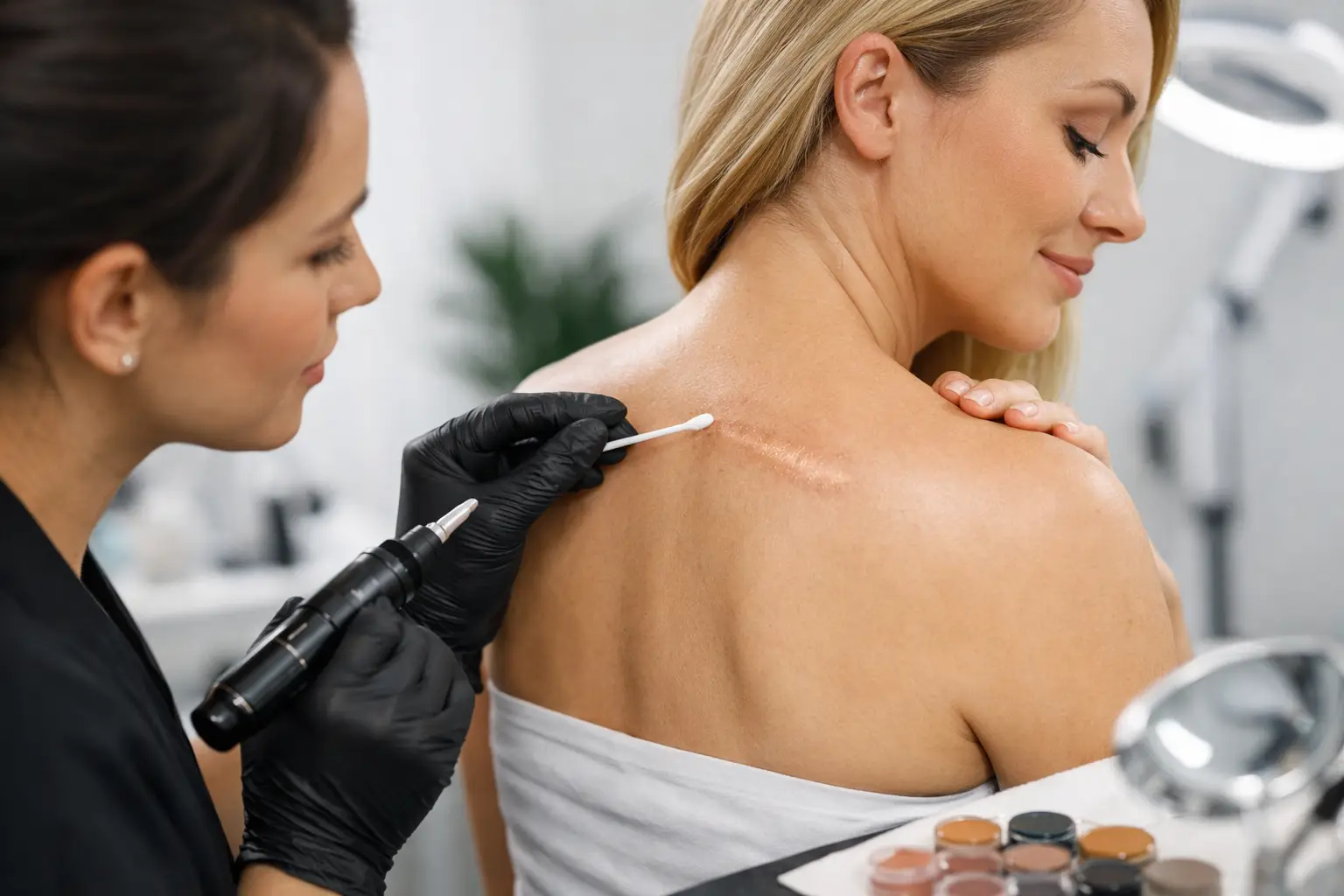
A scar can fade physically long before it stops affecting confidence. If you are searching for the best scar camouflage tattoo artist, you are not looking for a standard tattooist or a general beauty treatment. You are looking for someone who understands healed scar tissue, colour theory, skin behaviour, medical tattooing protocols and, just as importantly, when camouflage is not the right first step.
Scar camouflage sits in a specialist category for a reason. The goal is not to decorate the area or simply implant pigment into pale skin. The goal is to reduce contrast, soften visibility and restore a more balanced appearance in a way that looks believable on your natural skin tone. Done well, it can be life-changing. Done badly, it can make a scar more obvious, create colour mismatch or leave you paying for correction work that should never have been necessary.
What makes the best scar camouflage tattoo artist different?
The best practitioners do not approach scars as flat patches of skin. They assess texture, maturity, vascularity, thickness, adherence and undertone before they even discuss pigment. That matters because scars are unpredictable. Two clients with similar-looking surgical scars may respond very differently once treatment begins and once the skin has healed.
A specialist scar camouflage tattoo artist should also understand that camouflage is not always the first treatment. Some scars need revision work before pigment is introduced. Others benefit more from methods such as needling-based skin stimulation, targeted skin preparation or combination treatment plans. This is often the dividing line between a technician and a true specialist. A technician asks, “Can I tattoo this?” A specialist asks, “What does this skin need to get the best long-term result?”
Experience across different scar types is another major factor. Caesarean scars, tummy tuck scars, breast surgery scars, self-harm scarring, burns, graft sites and stretch marks all present differently. Tissue density, elasticity and pigment retention can vary significantly. The best artist will not promise the same outcome for every case because that would not be honest or clinically informed.
The signs you have found the best scar camouflage tattoo artist
Results should be your first filter, but not just immediate photographs. You want to see healed outcomes, a range of skin tones and evidence of work on scars similar to your own. Fresh treatment photos can look impressive because the skin is temporarily plumped or flushed. Healed results are where expertise shows.
Consultation quality matters just as much. A serious practitioner will ask about scar age, medical history, keloid tendency, previous treatments, sun exposure, medications and whether the scar has fully matured. They should explain that immature scars are usually poor candidates for camouflage and that some textured scars can only be visually softened, not erased.
The best scar camouflage tattoo artist will also be precise about limitations. If a scar is raised, indented, shiny or significantly lighter or darker than the surrounding skin, camouflage can improve visibility, but it may not create a perfect match. That honesty protects the client and usually signals a practitioner who values proper outcomes over quick bookings.
Training and treatment focus are another strong clue. Scar camouflage is not a side service that should sit casually beside brows, liner and lip blush with no deeper specialism. It requires advanced paramedical tattoo training, skin knowledge, pigment behaviour expertise and a strong understanding of correction work. Clinics that specialise in scar revision and skin restoration tend to bring a much higher level of judgement to complex cases.
Why pigment matching is harder than most people realise
Scar camouflage is often described as “matching the skin”, but that phrase oversimplifies what actually happens. Human skin is not one flat colour. It contains undertones, surface tone shifts, translucency and seasonal changes. Scar tissue also reflects light differently from unaffected skin, which means a pigment match that looks correct under one light source may behave differently in daylight.
This is where artistry and technical knowledge meet. The practitioner must assess whether the surrounding skin reads warmer, cooler, olive, neutral, golden or red-based. They also need to factor in how the implanted pigment is likely to heal within scar tissue rather than normal skin. Scar tissue can hold colour unevenly, and overworking it risks trauma rather than improvement.
That is why highly experienced specialists often take a measured approach over multiple sessions. This is not a flaw in the process. It is a safer and more accurate way to build the result gradually while responding to how the tissue heals.
Questions to ask before you book
If you are comparing practitioners, ask what percentage of their work is scar and stretch mark camouflage rather than general tattooing or PMU. Ask to see healed results on skin like yours. Ask whether they treat all Fitzpatrick skin tones and whether they have experience with your scar type.
You should also ask how they decide whether a scar is ready for treatment. If the answer skips over scar maturity, skin texture and contraindications, that is a concern. A good practitioner should be able to explain why some clients need skin revision work first, why some scars may need a test area and why realistic expectations are part of safe practice.
Aftercare advice is another marker of standards. Camouflage work does not end when the appointment does. Healing, friction, UV exposure and skin health all affect the final result. The right artist will give clear aftercare instructions and explain what can influence retention.
Red flags to take seriously
Be cautious of anyone promising the scar will be “gone”. Scar camouflage reduces visibility. It does not remove scar tissue. Be equally cautious of heavily filtered photographs, one-session miracle claims and prices that seem unusually low for a specialist service.
Another red flag is poor treatment planning. If a practitioner is willing to tattoo a red, immature, raised or unstable scar without discussing alternatives, that suggests a lack of depth. The same applies if they cannot talk confidently about undertones, healed retention or working on different skin tones.
General tattoo skill does not automatically translate into paramedical tattoo expertise. Decorative tattooing and scar camouflage require different judgement, different pressure control and a different approach to tissue response. The distinction matters.
Choosing the best scar camouflage tattoo artist for your scar type
The right choice depends partly on the scar itself. A flat, pale surgical scar may be a strong candidate for camouflage if it is mature and stable. A burn scar may need more caution because texture, pigment loss and tissue integrity can be more complex. Self-harm scarring may involve multiple lines, mixed texture and emotional sensitivity, so consultation style and practitioner experience are especially important.
Stretch marks also sit in a category of their own. Some respond well to camouflage techniques, while others benefit more from treatments designed to improve texture and stimulate the skin first. A specialist clinic will know when to combine methods rather than forcing one approach onto every case.
For clients with deeper skin tones, practitioner selection becomes even more important. Matching undertones accurately on richly melanated skin requires advanced experience, and poor pigment choice can heal ashy, flat or obviously mismatched. This is an area where proven results matter more than marketing claims.
Why specialist clinics usually outperform generalists
When a clinic focuses on skin restoration, its systems tend to be stronger from consultation through to treatment planning and aftercare. There is usually more understanding of scar behaviour, more consistency in pigment strategy and better judgement about who should not be treated yet.
This is also where innovation matters. The strongest clinics do not rely on one technique in isolation. They draw from multiple treatment methods and adapt the plan to the tissue in front of them. That is especially valuable in scar work, where a one-size-fits-all protocol rarely produces the best outcome.
Ink Illusions is part of that specialist movement, combining scar camouflage with broader revision expertise and advanced education standards that reflect where the paramedical field is heading in the UK.
The best result is not always the most aggressive one
Clients often assume that more pigment, more pressure or more sessions will create a better result. In scar camouflage, restraint is often a sign of expertise. Tissue that has already been traumatised needs respect. Over-treatment can create fresh inflammation, poor healing and a finish that looks less natural, not more.
The best scar camouflage tattoo artist knows when to proceed, when to pause and when to recommend a different route first. That level of judgement is what turns a cosmetic procedure into a true confidence-restoring treatment.
If you are choosing carefully, look beyond polished social media posts and ask a more useful question: does this practitioner understand scars, or do they simply tattoo over them? The answer will tell you far more than a sales page ever could. And when the choice is right, the treatment does more than soften a mark on the skin – it helps someone feel more like themselves again.
