

Is Vitiligo Camouflage Treatment Right for You?
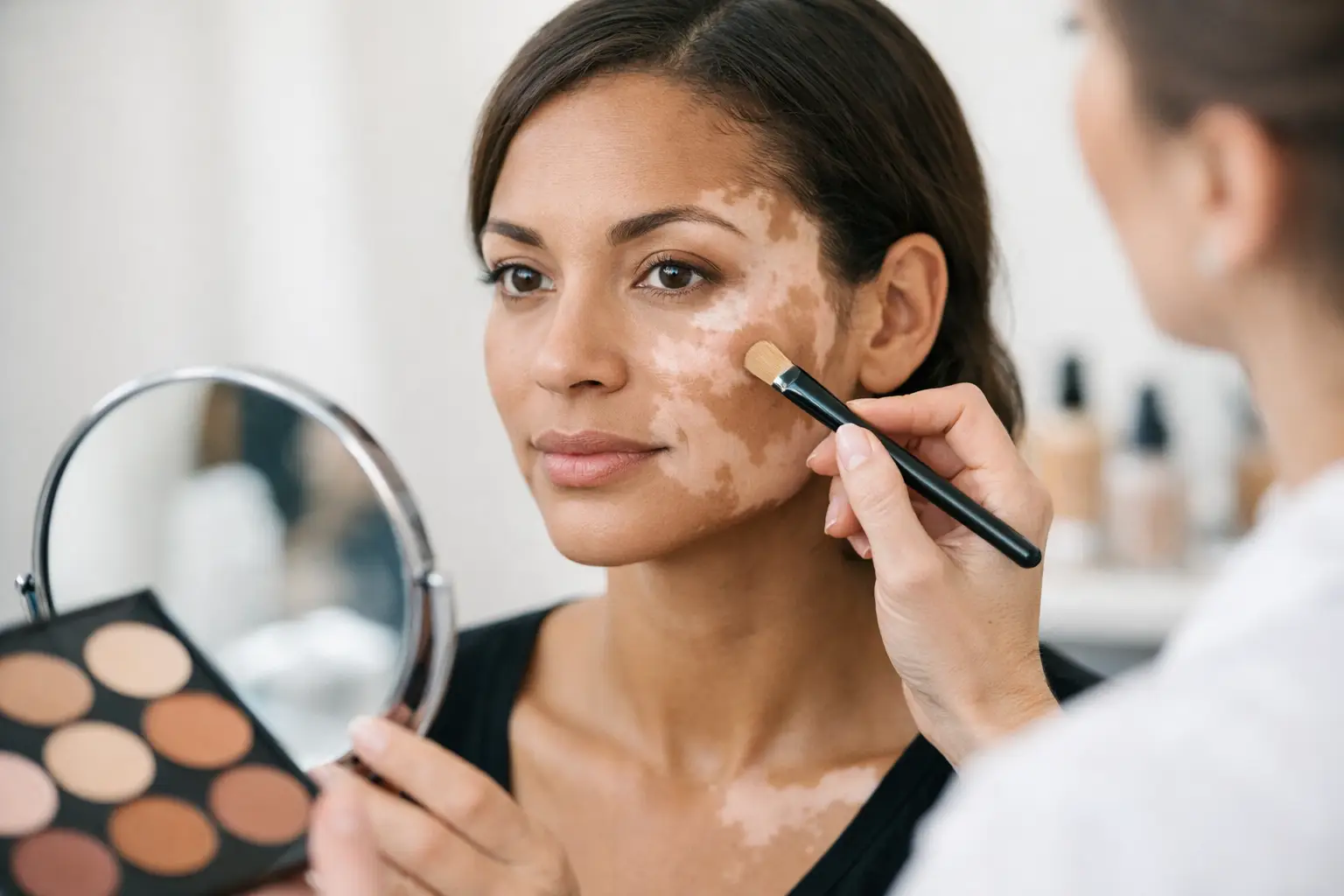
A vitiligo camouflage treatment is not about changing who you are or pretending the condition does not exist. It is a specialist skin-tone restoration procedure designed to reduce the contrast between depigmented patches and the surrounding skin, helping the area appear more even in everyday life, photographs and social settings.
For many people, vitiligo is medically harmless but emotionally demanding. A patch on the face, hands, chest or another visible area can attract attention before a person has chosen to speak. Camouflage pigmentation offers a considered, long-term cosmetic option for suitable clients, particularly where vitiligo has remained stable and conventional make-up no longer feels practical.
What is vitiligo camouflage treatment?
Vitiligo camouflage treatment, often referred to as skin camouflage tattooing or paramedical pigmentation, uses carefully selected pigments implanted into the upper layers of the skin. The objective is to visually blend lighter patches with the client’s natural surrounding skin tone.
This is not the same as medical treatment for vitiligo itself. It does not restart melanin production, stop the condition progressing or cure autoimmune activity. Instead, it is an advanced cosmetic restoration technique that addresses the visible colour difference once a patch is stable.
The skill lies in creating a believable result rather than simply choosing a beige or brown pigment. Natural skin has undertones, warmth, depth and changing colour across different parts of the body. An experienced practitioner assesses the surrounding skin in several lights, considers the client’s Fitzpatrick skin type and undertone, then custom blends pigment to avoid a flat, obvious finish.
Why stability comes first
The most important part of a safe vitiligo camouflage treatment happens before the first needle touches the skin. Vitiligo can be active, meaning patches may enlarge or new areas can develop, or stable, meaning there has been no meaningful change for a sustained period.
Camouflage tattooing is generally best considered when the area has been stable for at least 12 months, although an individual assessment is essential. Treating active vitiligo can be disappointing: if the pigment loss spreads beyond the treated patch, the camouflage may no longer match the altered area. Some people with vitiligo may also experience the Koebner phenomenon, where skin trauma can trigger new depigmentation in susceptible individuals. This is why a responsible practitioner will not treat every enquiry as an automatic booking.
A medical diagnosis and, where appropriate, input from a dermatologist should form part of the decision-making process. Stability, medical history, medication, previous skin reactions and the treatment location all affect suitability. A specialist consultation should be detailed, transparent and focused on realistic outcomes rather than promises.
The difference between camouflage and conventional tattooing
Conventional tattooing prioritises bold, lasting colour and artistic design. Paramedical camouflage requires a different level of restraint. The pigment is selected to imitate skin, not stand out from it, and the implantation depth must be controlled to support soft healing.
Skin is also not a static canvas. It tans, fades, becomes dry, changes with hormones and can look different from season to season. A pigment that appears very close on treatment day may heal lighter and may need refinement after the skin has settled. For this reason, successful work is built in layers and assessed over healing stages rather than rushed in one appointment.
There is also no universal “skin-coloured” pigment. Clients with deeper skin tones, olive complexions and richly melanated skin often need particularly nuanced colour formulation. The target is not to make the treated area identical under every possible light. It is to reduce contrast so the area blends naturally in the situations that matter most to the client.
What happens during a specialist consultation?
A consultation should establish whether camouflage is appropriate and what result is realistically achievable. The practitioner will examine the vitiligo patch, its edges, texture and position, along with the surrounding skin. They may ask how long it has been unchanged, whether there are new patches elsewhere and whether you have a history of sensitivity, keloid scarring or poor wound healing.
A patch test is commonly recommended. This gives valuable information about pigment healing and allows the practitioner to evaluate how closely the custom blend settles into the skin. It is especially useful because freshly implanted pigment can appear warmer, darker or more intense before it heals.
The consultation is also the time to discuss lifestyle. Sun exposure matters because surrounding skin can tan while a vitiligo patch cannot produce pigment in the same way. If you enjoy regular sunbathing or frequently use tanning products, maintaining an exact match may be more difficult. This does not automatically rule out treatment, but it does change the planning.
The treatment process and healing period
On treatment day, the skin is cleansed and the agreed pigment blend is checked again against the treatment area. A specialist device is used to implant pigment gradually, often with a stippled technique that mimics the dispersed appearance of natural pigmentation. The sensation varies by area and individual sensitivity, but most clients describe it as manageable.
A single session may create a noticeable improvement, yet most cases require more than one appointment. This is normal. Layers allow the practitioner to build coverage gently, correct undertones and respond to the way your own skin heals. The number of sessions depends on the size of the patch, its location, the contrast between the affected and surrounding skin, and pigment retention.
Immediately afterwards, the area may look deeper in colour or slightly warmer than expected. Mild redness and tenderness can occur. During the following days, the skin may feel dry or lightly flaky as it heals. Strict aftercare protects the work: avoid picking, friction, swimming, saunas, intense exercise and direct sun exposure for the period advised by your practitioner.
Healing cannot be judged in the first week. The skin needs time to settle before colour can be accurately assessed, usually at a follow-up appointment several weeks later. Trying to overcorrect too early is one of the quickest ways to compromise a natural result.
Results, maintenance and honest expectations
When selected and performed well, a vitiligo camouflage treatment can make a meaningful difference to how visible a depigmented patch appears. Clients often value being able to wear less make-up, feel more comfortable in close conversation or stop planning clothing and lighting around an area of contrast.
However, the result should never be sold as permanent perfection. Pigments fade gradually, skin changes over time and the surrounding skin may alter with sun exposure. Periodic colour boosts may be needed to maintain a close match. Areas exposed to frequent washing, friction or sunlight may require maintenance sooner than covered areas.
Some locations are more challenging than others. The face can offer a rewarding improvement but needs exceptionally careful colour work because it is always visible. Hands and feet are subject to washing, movement and environmental exposure, which can affect retention. Areas with scar tissue may also behave differently, particularly if texture is raised, thin or uneven.
A good practitioner will explain both the potential and the limitations before treatment begins. The aim is improvement, not an unrealistic guarantee that no one will ever see the area again.
When camouflage may not be the best choice
Camouflage pigmentation may be postponed or declined where vitiligo is actively spreading, the skin is irritated or infected, there is a significant risk of adverse healing, or a client’s expectations do not align with what pigmentation can deliver. Pregnancy, certain medications and some medical conditions may also require a delay or medical clearance.
It may also be worth considering whether temporary camouflage products, dermatology-led options or simply more time observing the condition would better suit the current stage. Choosing not to proceed yet is not a failure. It is often the most professional recommendation a specialist can make.
At Ink Illusions, the approach to skin-tone restoration is grounded in detailed assessment, customised pigment work and the disciplined techniques used across advanced paramedical tattooing. The right plan respects the skin first, then focuses on creating a refined and confidence-restoring visual change.
If vitiligo has been stable and its visibility is affecting how you feel day to day, seek a consultation with a practitioner who understands both pigment behaviour and the medical context. The best outcome begins with an honest conversation, a carefully healed patch test and a treatment plan that gives your skin the time it needs.
