

How to Remove PMU Safely Without Damaging Skin
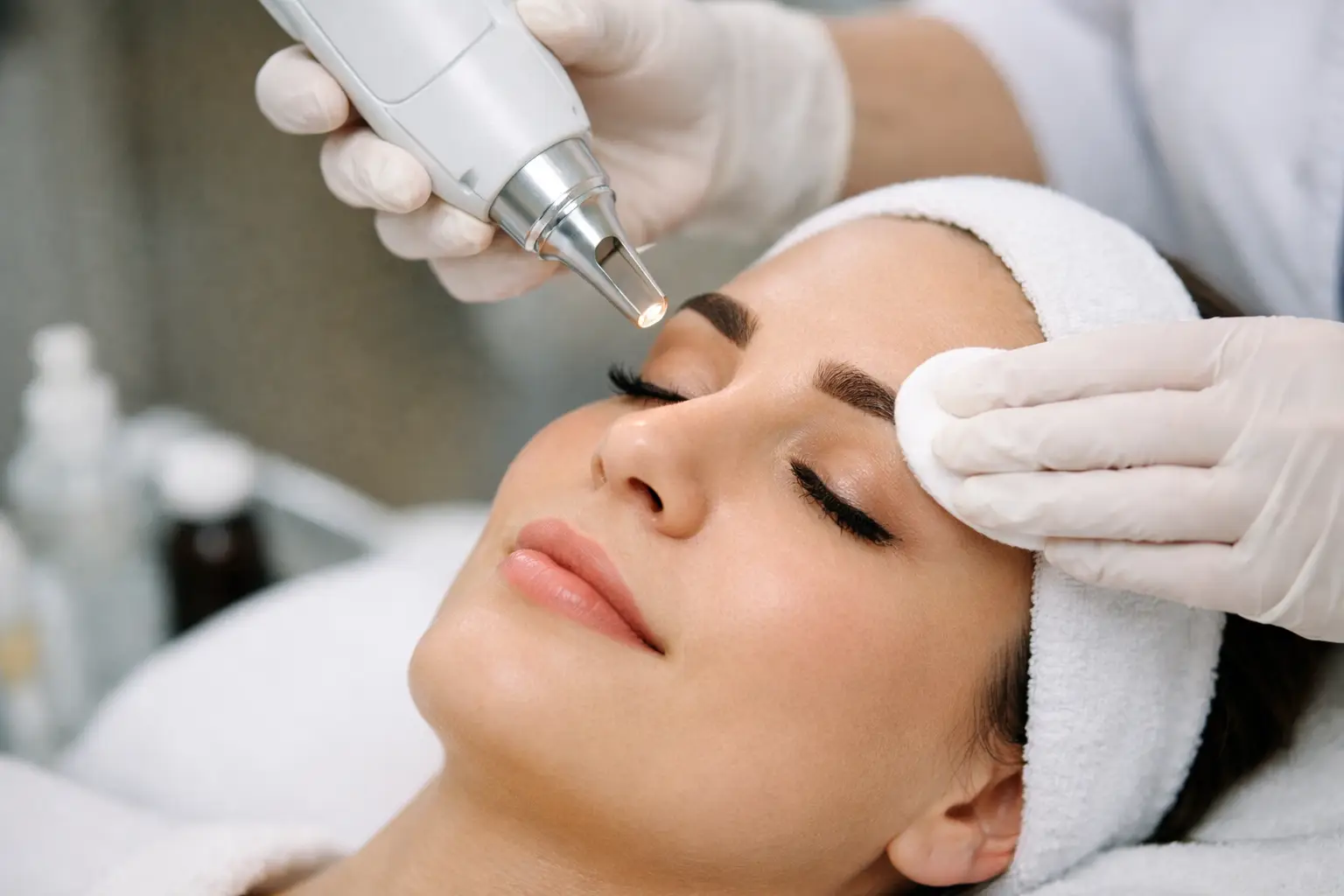
A cosmetic tattoo that feels too dark, the wrong shape, or simply unlike you can create an urgent desire to erase it. But knowing how to remove PMU safely means resisting quick fixes. Permanent make-up removal is a specialist procedure, not a beauty hack, and the safest route depends on the pigment, placement, age of the treatment and condition of your skin.
PMU includes eyebrow, lip and eyeliner tattooing, often placed more superficially than a body tattoo. That does not make removal simple. The face has delicate skin, highly visible healing stages and little room for preventable damage. A careful assessment protects both your skin integrity and the options available for correction later.
Why PMU removal needs a specialist approach
Every cosmetic tattoo behaves differently. Some pigments gradually fade to a warmer, cooler or unexpected residual tone. Others contain ingredients that can react to laser energy, becoming darker before they can be cleared. Brows may have been worked over repeatedly, creating layers of pigment at different depths. Lip and eyeliner procedures introduce further considerations because of their anatomy and sensitivity.
The goal is not to remove pigment as aggressively as possible. It is to reduce unwanted colour while preserving healthy skin, hair follicles and the natural structure of the area. Over-treating can lead to prolonged inflammation, textural change, pigment disturbance or scarring. Those risks are higher when a previous treatment has caused trauma, when skin is already compromised, or when removal is attempted too soon.
A qualified removal practitioner should assess the PMU in person where possible. They will consider the colour currently visible, likely pigment composition, depth, previous sessions, skin tone, medical history, medication and any history of keloid or hypertrophic scarring. Good removal starts with realistic expectations, not promises of an instant result.
How to remove PMU safely: choose the right method
There is no single removal technique that suits every cosmetic tattoo. The appropriate route may be emergency saline removal, laser removal, non-laser extraction techniques, gradual lightening or, occasionally, allowing the area to heal and fade before reassessment. The choice should be based on the specific case rather than what is most convenient or heavily marketed.
Emergency saline removal for fresh PMU
Emergency saline removal may be considered shortly after an unwanted PMU procedure, generally when the skin is still in the immediate treatment window and before healing has progressed. A trained practitioner reopens the superficial treatment channels in a controlled manner and introduces a sterile saline solution, encouraging some pigment to be drawn towards the surface during healing.
Timing matters greatly. It is not a guaranteed eraser, and it should not be treated as one. Its success depends on factors including pigment type, depth, how recently the PMU was performed and how the skin responds. Multiple sessions may still be required.
Do not try to replicate this at home using salt, saline sprays, exfoliants, acids or abrasive tools. Home interventions can push bacteria into traumatised skin, increase inflammation and cause unnecessary scarring. If you are distressed immediately after a procedure, seek an experienced emergency PMU removal assessment promptly rather than picking, scrubbing or applying unapproved products.
Laser removal for established cosmetic tattoos
Laser tattoo removal can be highly effective for suitable PMU, particularly once the area has fully healed. Laser energy targets pigment particles so the body can gradually clear them over time. Treatments are spaced apart to allow the skin to recover and the immune system to process fragmented pigment.
However, cosmetic pigments require particular caution. Some contain iron oxides or titanium dioxide, which can oxidise or shift darker under laser treatment. This does not always mean laser is unsuitable, but it does mean a patch test and informed treatment plan are essential. A patch test can reveal whether the pigment lightens as expected, warms, darkens or needs a different approach.
Laser is also not a one-session solution. The number of appointments varies widely, especially if the brows have been tattooed more than once or contain several pigment formulations. A practitioner who discusses intervals, likely colour transitions and the possibility of combination methods is giving you a more credible picture than one who promises complete removal within a fixed number of sessions.
Non-laser removal and controlled lightening
Some cases are better managed with a non-laser method, especially where pigment response, placement or skin history makes laser less predictable. These techniques are designed to lift pigment gradually through controlled, superficial treatment. Like all removal, they must be performed conservatively, with proper hygiene and sufficient healing time between sessions.
Controlled lightening can also be the most sensible option where a full removal is not necessary. For example, a brow that is too saturated or too cool may need enough pigment reduction to allow a skilled correction or new design once the skin has stabilised. Removal and correction should never be rushed into the same healing period.
What a safe PMU removal consultation should cover
A proper consultation is where safety is decided. Your practitioner should examine the treated area, ask when and where it was done, and discuss any previous removal attempts. Clear photographs in natural light can be useful, particularly if you are seeking advice shortly after the original procedure.
You should be asked about allergies, autoimmune conditions, blood-thinning medication, pregnancy or breastfeeding, active skin conditions, cold sore history for lip work, and any healing complications you have experienced before. These factors do not automatically rule out treatment, but they may change the timing or method.
A responsible practitioner will also explain that removal can expose previous underlying tones. A dark brown brow may lift through red, orange, yellow or grey stages. This is not necessarily a failed treatment. It is often part of the pigment-clearing process and should be planned for from the outset.
At Ink Illusions, specialist removal planning is approached with the same attention to skin recovery and future treatment options as advanced paramedical tattooing. That means looking beyond the immediate pigment problem to protect the confidence-restoring result you want next.
What not to do after unwanted PMU
The first days after PMU are emotionally charged, particularly when brows appear darker, larger or more intense than expected. Fresh cosmetic tattooing normally looks stronger before it heals, so an immediate appearance is not always the final outcome. Yet genuine concerns should never be dismissed.
Avoid rubbing, scratching, peeling scabs, using retinol, acids, bleaching creams, hydrogen peroxide, exfoliators or unverified removal kits. Do not use make-up to conceal broken skin, and do not book another tattooing session in an attempt to cover a result that has not healed. These actions can disrupt healing and make professional removal harder.
Keep the area clean and follow the aftercare guidance supplied by the practitioner managing your removal. In most cases, this means keeping hands away from the area, avoiding heat, swimming, heavy sweating and direct sun exposure while the skin heals. If you develop increasing pain, spreading redness, heat, swelling, discharge, fever or a suspected allergic reaction, seek urgent medical advice.
Healing, intervals and realistic expectations
Skin needs time to rebuild after removal. Treating too frequently may create cumulative trauma without producing better pigment clearance. The right interval depends on the technique used, your healing response and the condition of the treatment area, but it should be determined by tissue recovery rather than impatience.
Expect temporary redness, tenderness, dryness, swelling or scabbing, depending on the method. With laser, some pigment may appear darker or change colour before it clears further. With saline or non-laser methods, a visible crust can form as the skin heals. Picking it off can compromise the result and increase the risk of scarring.
Clients with deeper skin tones also need a practitioner who understands post-inflammatory hyperpigmentation and hypopigmentation. Skin-tone expertise matters at every stage, from device settings and removal technique to aftercare and the decision to proceed with a future correction.
Planning your next step after removal
Once the skin is calm, fully healed and the pigment has reduced sufficiently, you may decide that you want a fresh PMU design, a lighter correction or no further tattooing at all. There is no obligation to replace what has been removed. The best decision is the one that feels considered and sustainable for you.
If you do plan to have PMU again, choose an artist who can work from the healed result rather than designing over an unresolved removal process. Bring details of the original procedure and removal history. This allows for a safer colour choice, better shape planning and a more honest discussion about what can be achieved.
Feeling unhappy with cosmetic tattooing can be deeply personal, but it is a problem that deserves calm, specialist care rather than panic. Give your skin the time and expertise it needs, and let every next decision protect the result you want to see in the mirror.
