

How to Treat Post-Inflammatory Hyperpigmentation
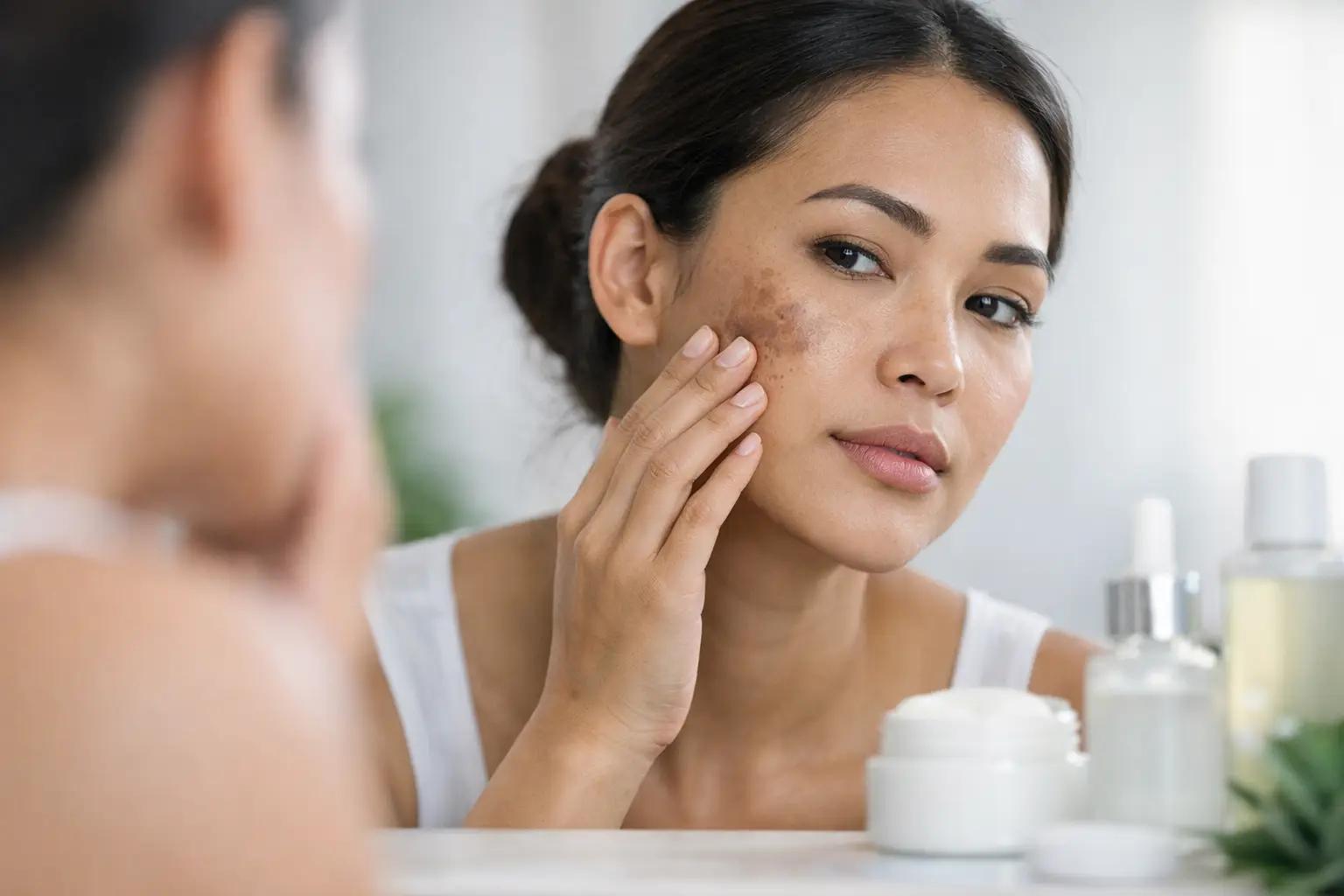
A spot heals, the inflammation settles, yet a brown, grey or almost purple mark remains. This is the frustrating reality of post-inflammatory hyperpigmentation, often called PIH. Knowing how to treat post-inflammatory hyperpigmentation starts with recognising that the visible mark is not always an active scar or ongoing acne. It is excess pigment produced after the skin has been irritated, injured or inflamed.
PIH can follow acne, eczema, insect bites, burns, shaving irritation, aggressive exfoliation, cosmetic procedures or trauma to the skin. It affects every skin tone, but it can be more persistent and more noticeable in medium to deep skin tones because melanocytes can respond strongly to inflammation. The good news is that pigmentation can improve. The less helpful news is that quick fixes, harsh treatments and poor aftercare can make it darker.
Why post-inflammatory hyperpigmentation takes time to fade
When skin is inflamed, pigment-producing cells can release extra melanin. That pigment may sit closer to the surface of the skin, where it often appears brown, or deeper within the skin, where it can look grey-brown, blue-grey or more diffuse. Surface-level pigmentation generally responds more readily than deeper pigment.
This is why two marks that appear similar in a mirror may behave very differently. A fresh mark after a blemish may fade over several months with consistent protection and targeted skincare. Long-standing, widespread or deeper pigmentation may need a carefully planned course of professional treatment.
PIH is also commonly confused with other concerns. Red or pink marks after acne are often post-inflammatory erythema, which relates to blood vessels rather than excess melanin. Raised, indented or texturally uneven areas may be scars. A specialist assessment matters because treating the wrong concern with the wrong technology can prolong recovery.
How to treat post-inflammatory hyperpigmentation safely
The first priority is to stop creating new inflammation. Picking spots, repeatedly scrubbing the skin, using strong acids too frequently or trying multiple new products at once can all restart the pigmentation cycle. A controlled approach is more effective than an aggressive one.
Make daily sun protection non-negotiable
Ultraviolet exposure can deepen existing PIH and slow visible improvement, even on overcast British days. Use a broad-spectrum SPF 30 or preferably SPF 50 every morning, applying enough to cover the face, neck and other exposed areas. Reapply when spending prolonged time outdoors, particularly during holidays, sport or outdoor work.
Tinted sunscreen can be particularly useful for pigmentation concerns. Products containing iron oxides may provide additional protection against visible light, which can worsen some forms of hyperpigmentation, especially melasma and stubborn darker marks. Sun protection is not an optional final step. It is the foundation that allows every other treatment to work properly.
Choose active ingredients with a clear purpose
A simple routine used consistently is usually more productive than a bathroom shelf full of competing actives. Ingredients commonly used to support pigment control include azelaic acid, niacinamide, vitamin C, tranexamic acid, alpha arbutin and retinoids. Each works differently, and suitability depends on your skin sensitivity, current breakouts, pregnancy status and existing routine.
Azelaic acid is often well tolerated and can be helpful where acne and pigmentation occur together. Niacinamide can support the skin barrier while helping to regulate uneven pigment transfer. Retinoids encourage cell turnover but can cause irritation if introduced too quickly. Start gradually, use only as directed and avoid combining multiple potentially irritating products on the same evening.
Prescription options, including hydroquinone or stronger retinoids, may be appropriate for some people under medical supervision. These should not be used casually or indefinitely. A qualified prescriber can assess the location, depth, cause and pattern of the pigmentation before recommending a course.
Treat active acne, eczema or irritation at the same time
Pigment correction cannot outpace ongoing inflammation. If acne lesions are still forming, the plan should address both the breakouts and the marks they leave behind. If the trigger is eczema, friction, ingrown hairs or a reaction to a cosmetic product, that trigger needs attention first.
This is where patience has a practical purpose. Treating dark marks while the skin is inflamed can lead to a cycle of further sensitivity, more pigment and disappointing results. Calm, stable skin is far more responsive to corrective treatment.
When professional pigmentation treatment is appropriate
If home care has been consistent for several months without enough improvement, a professional skin assessment can clarify the next step. The most suitable treatment is never simply the strongest treatment available. It is the treatment matched to the pigment, skin tone, skin history and risk of post-treatment inflammation.
Chemical peels
Professionally selected superficial peels can accelerate cell turnover and improve the appearance of surface-level hyperpigmentation. They need careful selection and preparation, particularly for Fitzpatrick skin types IV to VI, where inappropriate strength, poor technique or inadequate aftercare can trigger rebound pigmentation.
A course of gentle, progressive treatments is often safer than one aggressive peel. The skin should be protected from sun exposure, friction and active ingredients during the recovery period specified by the practitioner.
Microneedling and radiofrequency microneedling
Microneedling may be considered where pigmentation sits alongside acne scarring, surgical scars or textural change. Radiofrequency microneedling can also be valuable in specialist settings for selected concerns. However, these treatments are not automatic answers for every dark mark.
Needling creates controlled inflammation, so timing, depth, technique and skin preparation are critical. On actively inflamed skin, or in hands without advanced knowledge of pigment behaviour across different skin tones, it can worsen PIH rather than improve it. This is why assessment by a practitioner experienced in skin repair and pigment risk is essential.
Laser and light-based treatments
Certain laser systems can help with specific pigmentation patterns, but they require an expert-led approach. Some devices are unsuitable for darker skin tones or for pigment that is not clearly diagnosed. Heat-based treatments can be highly effective when correctly indicated, yet they also carry a genuine risk of rebound hyperpigmentation if settings, preparation or aftercare are wrong.
Ask practical questions before booking: What is the likely diagnosis? Has the practitioner treated your skin tone and concern before? What is the plan if pigmentation darkens temporarily? A credible provider will discuss limitations and risk as clearly as potential results.
The role of camouflage in long-standing skin concerns
Post-inflammatory hyperpigmentation should first be approached as a pigment concern, not simply covered over. But when skin has fully healed and the remaining issue includes stable colour irregularity, scarring or an uneven skin tone, specialist skin camouflage may be explored as part of a wider restoration plan.
Paramedical tattooing is not a replacement for medical diagnosis or active pigmentation treatment. It is a highly technical colour-matching service for suitable, stable cases. The skin must be healthy, free from active inflammation and assessed carefully for pigment behaviour before any camouflage work is considered. At Ink Illusions, this distinction is central to responsible treatment planning: correction begins with understanding what the skin is doing, not just what it looks like.
Habits that commonly make PIH worse
The most damaging habit is often picking. Squeezing a spot, scratching an insect bite or lifting a scab creates fresh trauma and increases the risk of a darker, longer-lasting mark. Friction can have a similar effect, including from tight clothing, repeated shaving or harsh cleansing tools.
Be cautious with at-home acid peels, high-strength retinoids and unregulated lightening creams. If a product stings, burns, causes persistent redness or makes the skin flaky and sore, it may be damaging the barrier. More irritation does not mean faster results.
Progress photographs taken in consistent daylight every four to six weeks can be more useful than daily mirror checks. Pigmentation fades gradually, and objective comparison helps you see whether a routine is working or whether it is time to seek professional advice.
When to seek medical advice
Arrange a medical review if a dark patch appears without a clear trigger, changes rapidly, has an irregular border, bleeds, becomes painful or is accompanied by other symptoms. Persistent pigmentation around the neck, underarms or body folds can occasionally be linked to wider health factors and should not be self-treated without assessment.
It is also sensible to seek advice before using strong pigment-correcting products if you are pregnant, breastfeeding, taking prescription medication or managing eczema, rosacea or another inflammatory skin condition.
The most successful PIH plans are rarely dramatic. They are consistent, protective and tailored to the skin in front of you. Give healing skin time, avoid creating new inflammation and choose specialist support when the marks are persistent, complex or affecting your confidence.
